
Kitchen Cabinet Quote Comparison
Compare Towson kitchen cabinet quotes with a requirement-to-product matrix, complete related pieces, appliance evidence and traceable quote versions.
Bring your project details together before considering a cabinet purchase.
Send my cabinet inquiry
Or call (562) 203-3232. Calls only, we do not receive text messages.
The most useful cabinet buying topic is the one that resolves your next decision. Towson Cabinet Folio organizes six independent guides for Towson buyers, from room inputs through product comparison and receiving. Choose by what you need to establish, rather than assuming a service heading means a seller, installer or carrier has already accepted the project.
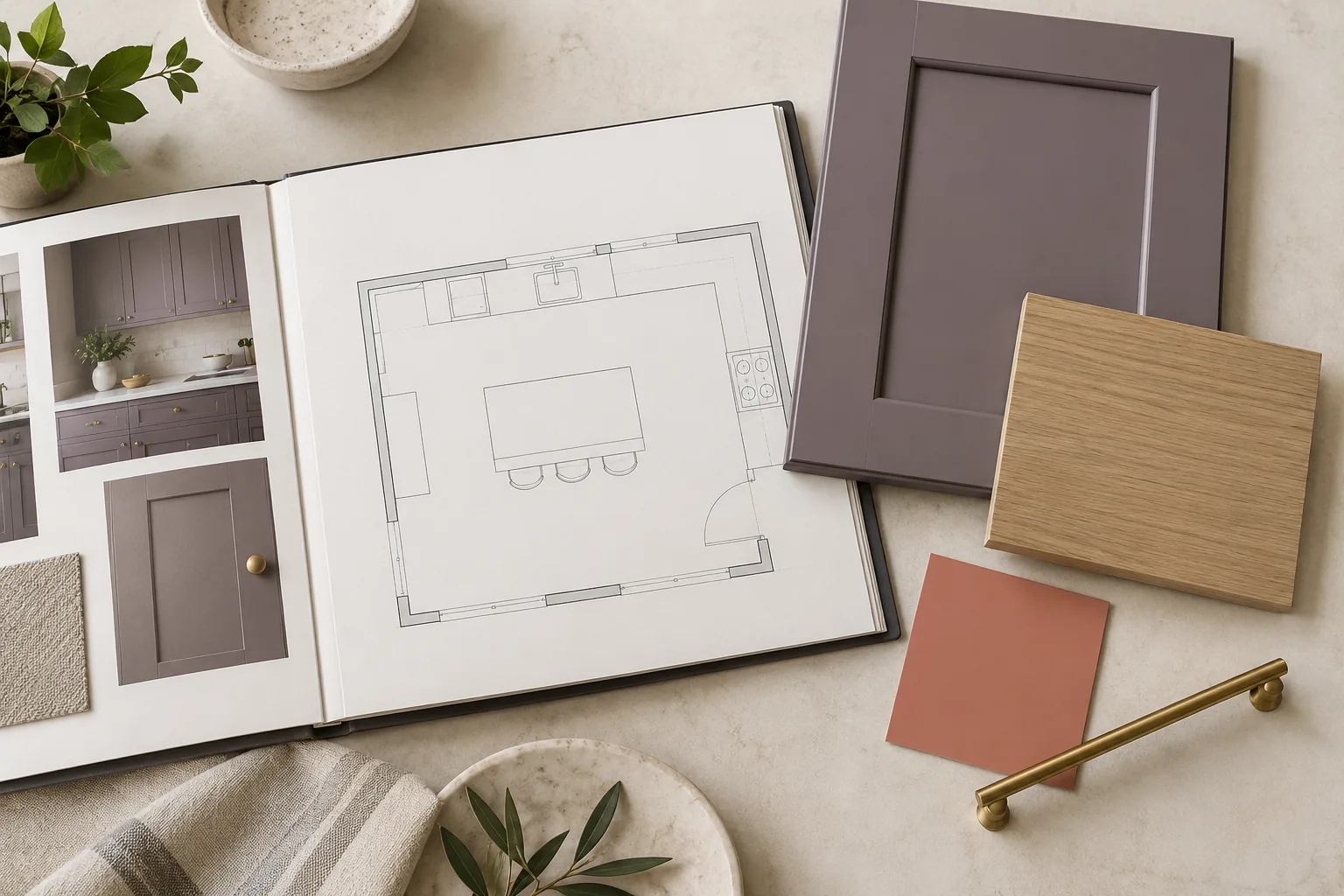
A form submission creates a record for the site owner to review; it is not automatically forwarded to sellers and does not guarantee a response. The guides help you prepare that record. Actual products and work require separate confirmation from the parties offering them, with responsibilities visible in their own proposals.
About Towson Cabinet Folio
Independent cabinet buying information and quote-request service. We do not manufacture, stock or install cabinets. A referral, supplier response, appointment or purchase is not guaranteed. Product availability, delivery and installation must be confirmed directly with the seller or separately engaged contractor.
Every service
Compare Towson kitchen cabinet quotes with a requirement-to-product matrix, complete related pieces, appliance evidence and traceable quote versions.
Prepare a Towson cabinet layout review with labeled room inputs, corner-storage alternatives, retained appliance evidence and an explicit decision log.
Compare Towson RTA and assembled cabinet orders unit by unit, with actual instructions, included parts, receiving requirements and remaining labor.
Compare Towson vanity products by sink and storage configuration, cabinet/top scope, actual room relationships and separately arranged plumbing work.
Prepare a Towson cabinet package by separating common products from room-specific variations, release quantities, approvals and receiving responsibility.
Compare Towson cabinet pickup and delivery arrangements with actual package data, receiver responsibilities, property information and seller-specific terms.
Use the kitchen cabinet quote guide when you need to understand what two proposals actually contain. Begin with unit references, quantities, sizes, configurations and finish. Include panels, fillers and accessories so a total can be traced to the intended goods.
The next document you need is an itemized proposal or another clear product breakdown against that schedule. If an offer changes the door cabinet into drawers or excludes an organizer, identify that difference. You may prefer the alternate, but it is a scope choice rather than proof of a lower price for identical goods.
For a hypothetical buyer comparing sink-wall storage, a written request could keep the sink base fixed while asking about two neighboring configurations. Give the alternatives separate names and ask the seller to show changed items. A focused comparison should preserve the requirement it is testing. If the wall or appliance position is not yet checked, move to layout inputs before treating those sizes as approved.
The layout guide concerns the information behind a drawing. Gather a room sketch, measurements, openings, observed utilities and retained appliance details. State which inputs are checked and which describe proposed changes.
IKEA's US kitchen planning reference recommends room and retained appliance dimensions. That supports preparation; this site does not provide a field measure or certify a layout. Identify who will conduct any final checks under your actual purchasing arrangements.
A hypothetical buyer might know the desired door style while considering a different sink-wall arrangement. The relevant question is how the actual room and selected products support that change. A style preference cannot determine the answer. Show the storage goal and unresolved fit questions to the responsible reviewer. Once the arrangement becomes an approved unit schedule, the product comparison can use it. Keeping those stages explicit prevents an early price proposal from being treated as evidence that the room works as drawn.

The vanity guide separates cabinet, top, sink and hardware. Identify what you intend to buy and what remains in the room. A product title or finished bathroom photograph cannot establish the included components.
The supplied Home Depot measurement guide treats actual space, plumbing positions and door swing as fit considerations. Use those subjects to gather information for the responsible professional. No numerical clearance or universal code requirement is established here.
If the hypothetical buyer also wants a vanity, give it a separate list instead of appending its width to the kitchen schedule. A retained top may need a compatibility answer while the kitchen only needs an accessory comparison. Shared finish preferences can remain linked, but the rooms have different product and fit questions. The topic helps make those questions visible without implying plumbing, installation or component modification is included in a product inquiry.
The package guide is for repeated room types, multiple spaces or release phases. Its next document is a takeoff connecting room schedules to total quantities. Show the current revision for each type and distinguish planned goods from quantities requested for an actual order.
Name the purchaser and the people authorized to approve drawings and substitutions. A project contact may coordinate information without having every approval role. Ask the seller to confirm any eligibility, payment or phase terms; package is not a promise of a trade account.
A hypothetical buyer ordering two different kitchen arrangements needs both schedules, not one average unit count. If one room is ready and another is awaiting review, record that difference before asking about releases. The guide concerns purchasing information and commitments, not a performing crew. Separate the material order from assembly, installation and other provider scopes so repeated quantities do not hide repeated responsibility gaps.

The RTA and assembled guide helps identify remaining assembly work from the actual product instructions. The delivery planning guide helps identify the expected packages, destination, receiver and offered handoff. They answer different questions that may affect one another.
For an actual alternative, request line-specific instructions and package information. Have the people responsible assess the property route, storage and workspace. Do not rank every RTA or assembled product alike or assume an assembled label includes indoor carrying.
A hypothetical purchaser might arrange an external assembler while another person receives the goods. Record how they share the accepted order and seller discrepancy instructions. If a component issue appears during assembly, the communication path should be clear. A receiving topic does not establish transport from this site, and a format comparison does not promise a remedy. Obtain the seller-specific terms before making either arrangement part of the accepted purchase.
Keep related topics connected through a project identifier and current document versions. Cabinet quantities, box configurations, finish and accessories belong to the goods comparison. Freight, pickup, carrying, assembly and storage need distinct entries where applicable. External labor belongs to the provider offering it.
A change in layout or format may change several entries at once. Update affected product rows and ask for the relevant proposal revision instead of keeping conflicting schedules for different guide topics. A final decision should be explainable from one coherent record.
The FTC recommends written work estimates with materials, scope and price, a useful habit for comparing external proposals. Early estimates may change; the final written quote should state the actual offered price and included scope. Missing figures should remain open questions. The guides help you ask better questions, but their categories cannot establish stock, accepted sellers or who will perform every task. Actual written offers supply those commitments.
Inquiry process
Sending an inquiry does not reserve products or book work.
Include project ZIP, room, approximate cabinet list and preferred timing.
Identify assembly, access, measurements and any separately arranged labor.
An inquiry can be referred only if a suitable seller accepts the location and product request.
Confirm the final drawing, itemized price, payment, delivery and return terms directly before ordering.
Questions
If the arrangement or key dimensions are unresolved, gather layout inputs first. If you can describe the goods against a stable schedule, the quote guide helps compare proposals. A product amount alone cannot approve the arrangement.
They can share a project reference, but maintain separate product and fit records. Link common finish preferences while identifying each room's components. A vanity top compatibility question should remain distinct from a kitchen accessory alternative.
No. It explains material quantities, approvals and purchasing phases. Assembly, installation and related labor require explicit scopes with actual providers. Ask the seller separately about eligibility and acceptance of any proposed package arrangement.
Obtain the actual product instructions, package information and seller handoff terms, tied to the same schedule. Give responsible receivers and assemblers the current order and discrepancy procedure. Those documents let each evaluate its own task without guessing from a format label.
Local buying information
Describe the purchase and project ZIP in Towson. Supplier acceptance and any referral are confirmed separately; no visit or quote is booked by this form.
Calls only, we do not receive text messages.