
Location And Receiving Review in Towson
Bring your project details together before considering a cabinet purchase.
Send my cabinet inquiry
Or call (562) 203-3232. Calls only, we do not receive text messages.
For cabinet buying around Towson, an area name can orient a request while an exact project record makes it useful. Towson Cabinet Folio connects three local guides to different purchasing questions: product specifications, quantity sequencing and the people who know the actual property. Start with the address and room, then choose the information needed for your next decision.
- Independent buying guidance
- Product inquiries
- Seller availability confirmed separately
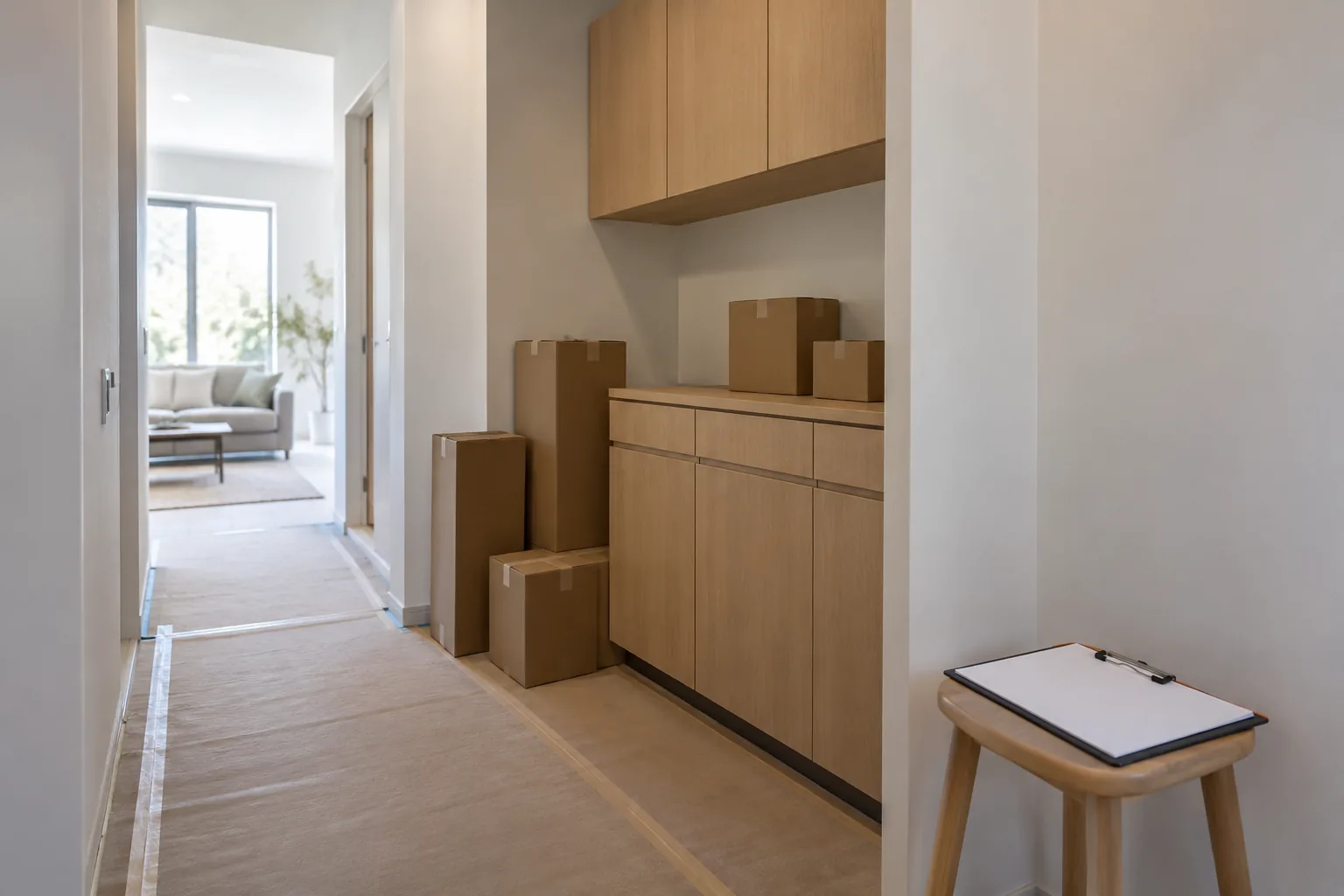
Project location changes the buying questions
These guides use narrow Baltimore County planning observations, not supplier territories. A submitted form creates an owner-reviewed record and does not automatically send details to sellers or guarantee a response. Use the local context to sharpen a practical question; actual goods, property conditions and commercial terms still need separate confirmation.
About Towson Cabinet Folio
Know who handles each part
Independent cabinet buying information and quote-request service. We do not manufacture, stock or install cabinets. A referral, supplier response, appointment or purchase is not guaranteed. Product availability, delivery and installation must be confirmed directly with the seller or separately engaged contractor.
Local buying information
Local buying guides
Anchor every locality question to an actual purchase
Give the project a reference and identify the exact room address. If correspondence or receipt uses another address, label it separately. Include the room or unit identifier needed to distinguish the purchase from another project at the same property.
Explain what decision the locality information is meant to support. You may be comparing products, organizing repeated quantities or identifying who can confirm receiving arrangements. A broad place label cannot answer all of those questions.
For a hypothetical buyer considering work at two properties, keep each room schedule attached to its own address. The same personal contact can coordinate both, but the records need not share dimensions or receiving terms. A seller should be able to tell which goods and destination it is being asked to evaluate. Locality context contributes a starting reference; the project record prevents one request from silently becoming another and makes the next question concrete enough for a responsible party to answer.
Parkville: focus on the exact product specification matrix
Baltimore County Council's archive records Resolution 22-10 for the Carney-Cub Hill-Parkville Area Community Plan. The verified observation is that this official planning geography joins three named areas. It should not be treated as an individual property record or a second seller territory.
The practical buying inference behind the Parkville guide is to use an exact-order product matrix. List requirements down one side and proposed products across the other: configurations, dimensions, finish, accessories and construction evidence. Keep unknown cells visible.
A hypothetical drawer-base comparison could show the same storage requirement offered through different named lines. Identify any changed accessory or configuration rather than letting a shared locality heading imply equivalent goods. This topic gives the Parkville page a distinct purchasing purpose. It does not repeat a general pickup primer or claim exclusive control over the place name. The useful decision concerns the actual product evidence tied to your schedule.

Cockeysville: connect quantities with the proposed release
The county council archive identifies Resolution 51-11 as the Planning Board community plan for the Cockeysville area. That is the narrow official fact used here. A plan title gives area context but does not define a cabinet order.
The practical buying inference in the Cockeysville guide is to organize quantities, release timing and the receiving party. Separate the planned total from goods requested for a particular phase. Connect each quantity to a room schedule and current revision.
For a hypothetical two-room purchase, one arrangement may be checked while another still needs review. State which goods are proposed for the first release and which remain planning quantities. Ask the actual seller whether it accepts that sequence and what terms apply. No community plan establishes reservation, future price or availability. The guide helps the buyer explain the desired sequence without promising that a seller or carrier has already accepted it.
Lutherville-Timonium: identify the real building contact
Baltimore County's Hunt Valley-Timonium plan describes a 4,000-acre area including employment, commercial and adjacent residential contexts. This is an area-scale observation, not a classification of the property named in an inquiry.
The practical buying inference for the Lutherville-Timonium guide is to identify the exact address and building contact. Do not infer a property type, access arrangement or storage condition from the mix described in the plan. Ask whoever administers the actual property about relevant conditions.
A hypothetical receiver may need information from an owner or manager before evaluating the proposed handoff. That is a project role, not evidence that all properties have managed access. Record which person can answer each question and what information was supplied. Then compare the actual goods and seller terms. The guide makes broad context useful by directing attention to the specific people and records that a purchase needs.
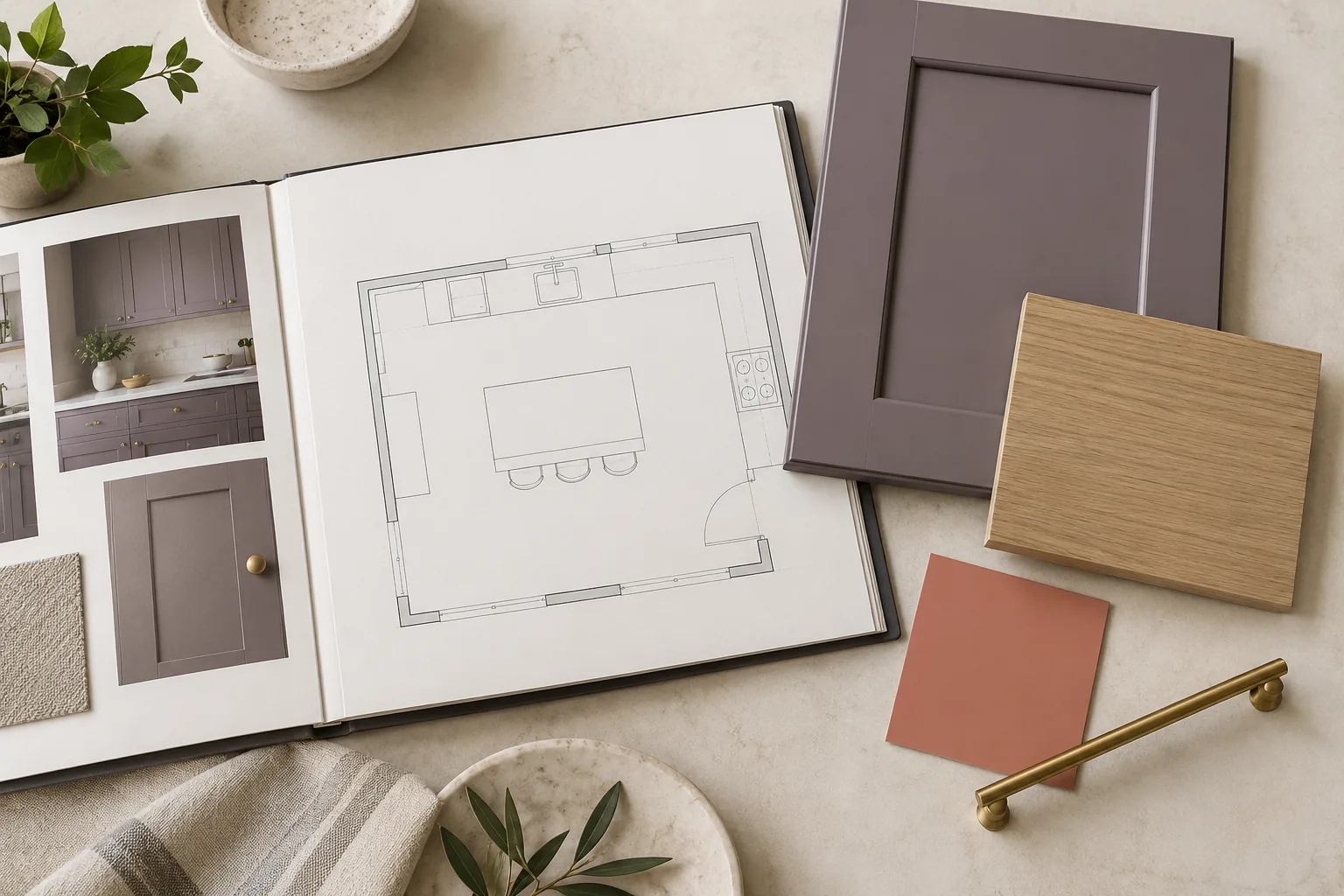
Keep room fit separate from product handling
Collect checked room measurements and retained appliance information for the arrangement. The IKEA US planning source supports bringing those inputs. Identify their sources and label provisional dimensions. This site does not provide field measuring or final fit approval.
Ask for package information for the products being considered. Have responsible people assess the actual route and storage instructions. Finished cabinet dimensions and shipping package dimensions serve different purposes, so do not substitute one for the other.
Name the purchaser, final schedule approver and receiving contact. One person may hold several roles, but the responsibilities should still be stated. For the hypothetical phased purchase, the receiver needs the accepted release list, not only the complete planned quantity. Ask for seller-specific discrepancy instructions before the handoff. A locality guide can help organize these questions while leaving actual acceptance, access and remedies to their proper parties.
Compare location-related cost against a stable product list
Cabinet quantities, box configurations, finish and accessories define the goods being compared. Freight, pickup, carrying, assembly and storage require distinct entries where relevant. External labor for installation or associated work needs its actual provider scope.
Identify the address and handoff used for a receiving charge. A changed destination or phase may require revised terms. A proposal using one arrangement should not be assumed to price another merely because both are described under the same locality name.
The FTC recommends written work estimates with materials, scope and price, useful for separately engaged labor comparisons. Product proposals also need clear inclusions. Initial estimates are subject to change; the final written quote should establish the actual price and offered scope. Leave missing figures unresolved until clarified. That approach lets local guides support a purchasing decision without turning a plan record or place label into evidence of price, coverage or a commitment to perform work.
Illustrative product choices
Illustrative product visualizations, not completed work, local properties or supplier facilities.
Questions
Coverage questions
Why do the three locality guides emphasize different purchase questions?
Their narrow source contexts support distinct ways to organize a request. Parkville focuses on product specifications, Cockeysville on quantities and releases, and Lutherville-Timonium on the actual property contact. None of those contexts establishes a seller territory.
Does the Carney-Cub Hill-Parkville plan define my cabinet specification?
No. It is a planning geography joining named areas. Your actual order needs unit requirements and evidence for the proposed products. Use a comparison matrix tied to the project rather than expecting the area plan to identify suitable cabinets.
Can a Cockeysville request include planned future quantities?
Yes, label them separately from goods intended for an actual release. Explain room types and versions, then ask a seller whether it accepts the sequence. Planned quantities do not establish reserved stock or future price terms.
Who should answer questions about the receiving property?
Identify the owner, manager or other responsible contact that actually applies to your address. Ask about the relevant conditions and record the source. The area plan cannot establish a building arrangement or replace that property's information.
Talk to us about your project
Describe the purchase and project ZIP in Towson. Supplier acceptance and any referral are confirmed separately; no visit or quote is booked by this form.
Calls only, we do not receive text messages.