
Parkville · Cockeysville
Lutherville-Timonium Cabinet Quote Preparation in Lutherville-Timonium
Bring your project details together before considering a cabinet purchase.
Send my cabinet inquiry
Or call (562) 203-3232. Calls only, we do not receive text messages.
A cabinet purchase in Lutherville-Timonium needs the people who know the actual property, not an assumption about what kind of building the locality contains. Towson Cabinet Folio offers independent guidance for identifying those contacts and connecting them to room, product and receiving questions. State the address and each person's role before asking an area description to stand in for project information.
- Independent buying guidance
- Product inquiries
- Seller availability confirmed separately
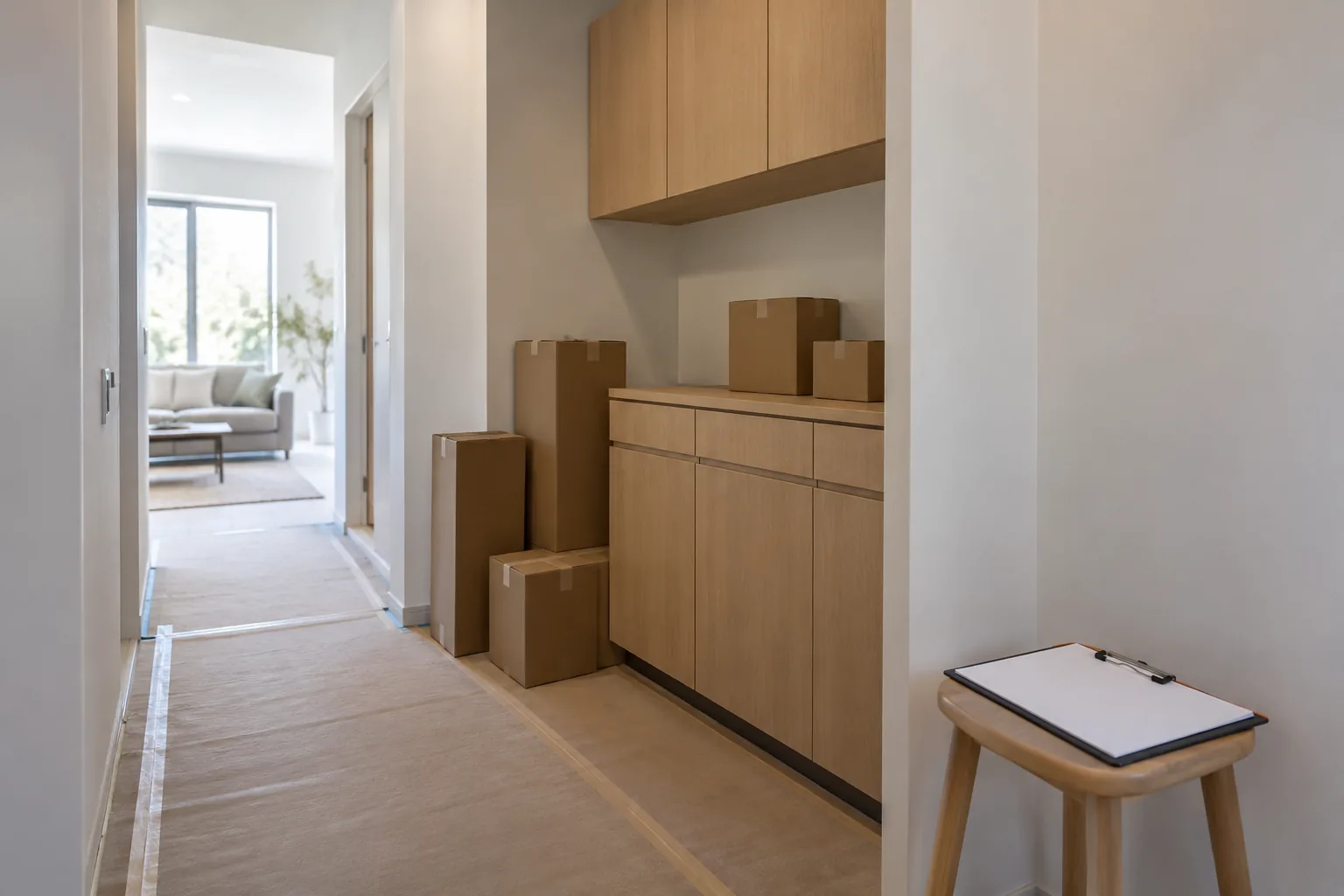
Cabinet purchase preparation in Lutherville-Timonium
The plan source describes varied area context; this guide turns that into a practical contact record. Form submissions are recorded for owner review, without automatic seller forwarding or a guaranteed response. Actual fit, property arrangements and seller commitments need separate confirmation from the responsible parties.
About Towson Cabinet Folio
Know who handles each part
Independent cabinet buying information and quote-request service. We do not manufacture, stock or install cabinets. A referral, supplier response, appointment or purchase is not guaranteed. Product availability, delivery and installation must be confirmed directly with the seller or separately engaged contractor.
Use the area plan without assigning a building type
The Hunt Valley-Timonium plan published by Baltimore County describes an area of 4,000 acres with employment, commercial and adjacent residential contexts. This is the narrow area-scale fact recorded in the supplied research.
The practical buying inference is to provide an exact address and building contact, then evaluate goods and handoff terms for that property. The area mix does not classify your room, establish access arrangements or identify who can approve a purchase.
If an owner, manager or another contact administers relevant property conditions, identify that actual role. Do not assume all addresses use the same process. Local context remains useful for orienting the guide while the project record supplies its own details. A cabinet inquiry becomes actionable when a question such as where products can be received has a destination and a responsible person attached, rather than an answer inferred from broad community planning.
Create a contact record organized by decisions
Name the purchaser, person who can explain the room, final fit approver and receiver. One person may cover several roles, but each responsibility should be stated. A general contact name should not silently acquire authority to approve every subject.
For property conditions, identify who supplies the information and what it applies to. Ask that person about actual arrangements relevant to access or storage if needed. Mark unanswered subjects pending instead of translating a vague description into a verified condition.
Consider a hypothetical purchaser whose receiver is available at the property while another person approves products. The receiver can explain a handoff question without necessarily authorizing a unit substitution. Keep that distinction visible. A seller then knows whom to ask about goods, while the purchaser knows where an unresolved property question should go. The contact record is a practical map of responsibilities, not a claim that every building has management or a formal approval structure.

Give the room record its own measurements and retained items
Use a labeled sketch and identify actual openings, observed utilities and retained features. Record measured inputs with source and date. IKEA's US planning guide supports gathering room measurements and retained appliance dimensions before a kitchen discussion.
Provide actual model information where applicable and label uncertain selections. Distinguish the existing condition from any proposed change. A property contact can supply one piece of information without establishing the entire cabinet layout.
For the hypothetical purchase, a retained sink or appliance should appear beside the units it affects. Ask the assigned reviewer to evaluate the actual specifications and checked room. This site does not offer field measuring or final design approval. Establish those checks under actual seller and professional agreements. The contacts and inputs should work together, with each answer traceable to the person or document that supplied it rather than an assumption drawn from the locality.
Ask sellers about named goods and visible alternatives
Create a unit list with quantities, dimensions, configurations and finish preferences. Add panels, fillers, trim and accessories. Mark provisional values instead of guessing a product that makes the list appear complete.
Ask an actual seller to identify the line and product codes it offers. If an alternative changes storage function, finish or related pieces, show those differences. Similar appearance does not establish equivalent goods, and a contact's preference should not be mistaken for final approval.
In the hypothetical purchase, a substitute drawer unit may require product review and a separate fit check. Identify who has each role and provide the actual replacement information. Keep the accepted schedule version available so a later quote can be reconciled. Product comparison is a commercial question tied to the room record; the area plan cannot supply availability, stock or seller acceptance. Obtain those facts from the prospective seller rather than turning broad context into a service promise.

Compare price with the offered handoff and outside work stated
Trace amounts to cabinet quantities, box configurations, finish and accessories. Identify related panels and trim as actual included goods or unresolved pieces. The product total should be readable against the selected schedule.
Show freight, pickup, carrying, assembly and storage distinctly where relevant. Ask the seller to state the address and handoff it prices. Have the real property contact and handling parties assess the package data, route and storage instructions. External installation or related labor needs its provider's own scope.
The FTC recommends written home improvement estimates naming materials, scope and price, useful for that outside work. Preliminary amounts can change; the final written quote should establish the actual offered price and inclusions. A missing carrying charge or an unconfirmed receiving arrangement is a question, not a zero. In the hypothetical split-role purchase, make sure the person evaluating the cost sees the property information and responsibilities on which it depends.
Bring current documents to the final approval and receipt
Date the sketch and unit schedule and give them matching revision references. Ask proposals and reviews to identify their version. When a product or property condition changes, list the affected rows and people whose checks need updating.
Give the receiver the accepted order and applicable seller instructions, including discrepancy reporting terms. Name who communicates with the seller if an issue arises. Receipt, assembly and final installation may involve different observations and responsibilities, so keep their documents connected without merging their roles.
For an initial inquiry, state the address, room, intended goods, known contacts and next unanswered decision. Before ordering, reconcile the authorized schedule, checked inputs, price and handoff. A useful Lutherville-Timonium record preserves actual evidence and named responsibilities through the purchase. It does not promise a uniform building condition or provider process. The broad plan context opens the question; the property and seller parties supply the answers that establish the actual arrangement.
Buying topics
Purchase choices in Lutherville-Timonium
Inquiry process
From buying questions to a possible supplier quote
Sending an inquiry does not reserve products or book work.
Describe the purchase
Include project ZIP, room, approximate cabinet list and preferred timing.
Clarify requirements
Identify assembly, access, measurements and any separately arranged labor.
Confirm referral availability
An inquiry can be referred only if a suitable seller accepts the location and product request.
Review seller terms
Confirm the final drawing, itemized price, payment, delivery and return terms directly before ordering.
Illustrative product choices
Illustrative product visualizations, not completed work, local properties or supplier facilities.
Local buying information
Other local buying guides
Questions
Lutherville-Timonium Questions
Can the area plan tell me which building arrangements apply?
No individual arrangement is established by the area description. Identify the actual address and person responsible for relevant conditions. Ask about that property's access or storage information rather than assigning one building type to the locality.
Can my receiver approve a cabinet substitution for me?
Only if that authority is actually assigned. Receiving and product approval are separate roles. Identify the authorized reviewer and provide actual replacement details, including any affected fit or finish questions, before treating the change as accepted.
What should I record when a property contact supplies access information?
Name the source, applicable location and current status of the answer. Mark unmeasured or unresolved conditions pending. Have responsible handling parties compare actual package data and instructions with the real route instead of treating a general assurance as approval.
How do I keep several contacts using the same purchase record?
Give drawings, schedules and proposals clear version references and preserve change notes. Share the accepted order and seller instructions with the receiver. When conditions or products change, identify who needs to review the affected decision again.
Talk to us about your project in Lutherville-Timonium
Describe the purchase and project ZIP in Towson. Supplier acceptance and any referral are confirmed separately; no visit or quote is booked by this form.
Calls only, we do not receive text messages.